EN
EN  AR
AR  ES
ES 

In the competitive landscape of the restaurant industry, creating a memorable dining experience is just as crucial as the quality of the food. Restaurant owners are constantly seeking innovative ways to attract customers, streamline operations, and boost their bottom line. Enter digital signage—a powerful and versatile tool that is revolutionizing how restaurants communicate with their patrons. From dynamic menu boards to captivating promotional displays, digital signage offers a wealth of opportunities to transform your establishment.
This comprehensive guide will explore how you can leverage digital signage to not only modernize your restaurant but also drive tangible business results.
Modernize Your Menu, Instantly
The most immediate and impactful application of digital signage in a restaurant is the digital menu board. Traditional static menus are quickly becoming a thing of the past, and for good reason.
Key Benefits of Digital Menu Boards:
- Effortless Updates: Say goodbye to the cost and hassle of reprinting menus. With a digital menu board, you can update pricing, add seasonal specials, or remove sold-out items in real-time. This agility is invaluable, especially for restaurants that pride themselves on fresh, daily ingredients.
- Increased Sales Through Upselling: Digital menus allow for strategic upselling and cross-selling. You can program your displays to highlight high-margin items, showcase tempting combo deals, or feature a “drink of the day” with vibrant imagery. The visual appeal of a professionally shot video of a sizzling steak is far more persuasive than a simple line of text.
- Dayparting for Maximum Relevance: Does your restaurant have different menus for breakfast, lunch, and dinner? Digital signage software allows you to schedule content in advance, a practice known as “dayparting.” This ensures that your customers are always seeing the most relevant offerings, simplifying their ordering process and improving kitchen efficiency.
- Compliance with Menu Labeling Laws: For chain restaurants, displaying calorie counts and other nutritional information is often a legal requirement. Digital menus make it easy to display this information clearly and update it as recipes change, ensuring you remain compliant without cluttering your menu’s design.
Create an Immersive Dining Atmosphere
Beyond the menu, digital signage can be used to cultivate a specific ambiance within your restaurant. The content you display can transport your guests, reinforce your brand identity, and make their wait time more enjoyable.
Ways to Enhance Ambiance:
- Branded Content and Storytelling: Use your screens to tell the story of your restaurant. Showcase videos of your chefs in action, highlight the local farms you source ingredients from, or share the history behind your signature dishes. This creates a deeper connection with your customers and elevates your brand.
- Entertainment and Infotainment: In quick-service restaurants (QSRs) or during peak hours in casual dining, digital displays can reduce perceived wait times. You can show live sports, news tickers, social media feeds featuring user-generated content, or fun facts related to your cuisine.
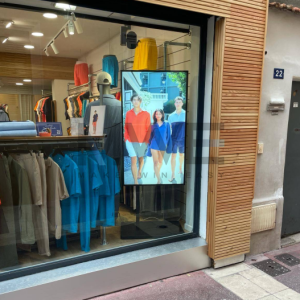
- Promotional Displays: Announce upcoming events like live music nights, holiday specials, or loyalty program benefits. The dynamic nature of video and animated graphics will capture attention far more effectively than a static poster.
Streamline Operations and Empower Staff
Digital signage isn’t just a customer-facing tool; it can also be a powerful asset for your back-of-house operations.
Operational Efficiency:
- Kitchen Display Systems (KDS): Digital screens in the kitchen can replace paper tickets, leading to faster order processing, fewer errors, and better communication between the front and back of the house.
- Staff Communication: In the breakroom or staff-only areas, digital signs can display work schedules, training videos, health and safety reminders, and sales goals. This ensures that your entire team is informed and aligned.
The Rise of Interactive Experiences
For restaurants looking to be on the cutting edge, interactive digital signage offers a new level of customer engagement.
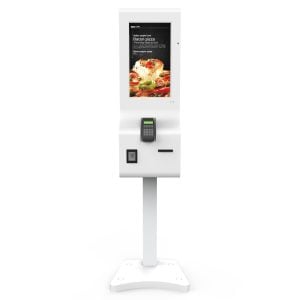
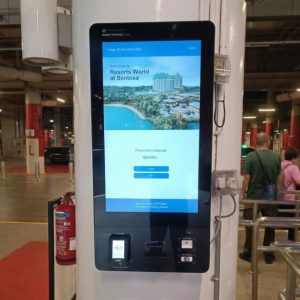
- Self-Service Kiosks: Particularly popular in QSRs, self-service kiosks allow customers to browse the menu at their own pace, customize their orders, and pay without waiting in line. This not only improves order accuracy and speeds up service but also frees up staff to focus on other tasks.
- Interactive Tables and Walls: Imagine customers playing games on a digital tabletop while they wait for their food or a “video wall” that reacts to movement. While a significant investment, these futuristic applications create a truly unforgettable experience that can generate significant buzz.
Getting Started: A Quick Checklist
- Define Your Goals: What do you want to achieve? Faster service, higher check averages, or a more modern brand image?
- Choose the Right Locations: Identify high-impact areas like your entrance, above the counter, and in the bar area.
- Select a Reliable Solution: You’ll need commercial-grade screens, a media player, and user-friendly content management software (CMS).
- Create Compelling Content: This is the most critical step. Your content must be high-quality, on-brand, and regularly updated to remain effective.
- Analyze and Adapt: Use the analytics features in your CMS to see what content is performing well and refine your strategy over time.
By embracing digital signage, you are not just hanging a TV on the wall; you are investing in a dynamic platform that can fundamentally transform your restaurant’s profitability, efficiency, and customer loyalty. The future of dining is digital, and the time to make the switch is now.