IT
IT  EN
EN  ES
ES  FR
FR  DE
DE 
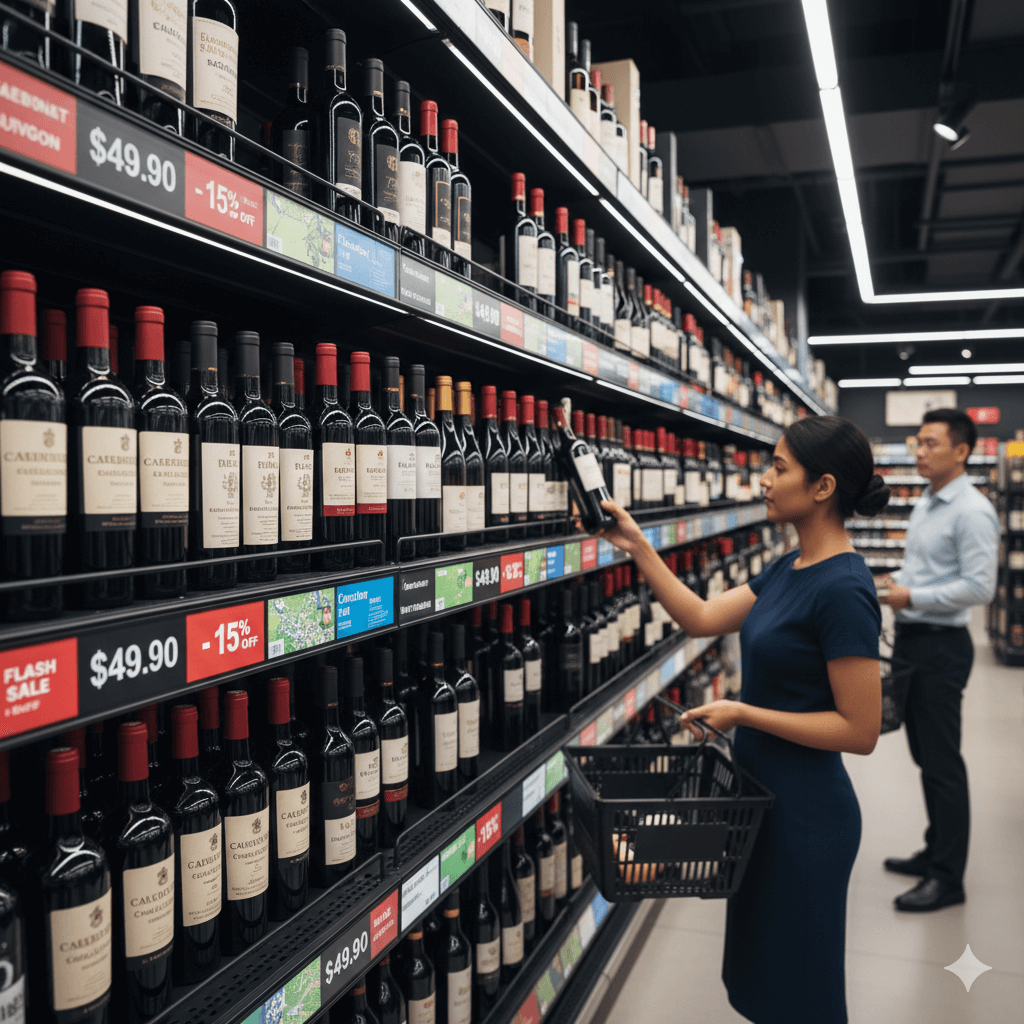
Discover how stretched bar displays (ultrawide screens) are maximizing space in Singapore retail. Learn how retail shelf displays and digital pricing are transforming point-of-purchase (POP) advertising.
In Singapore’s retail landscape, one asset is more precious than almost any other: space. With some of the highest rental costs in the world, retailers must maximize the profitability of every single square centimeter. This is especially true at the product shelf, the “moment of truth” where shoppers make 70% of their purchasing decisions.
For years, static paper price tags and printed promotions have dominated this critical space. Tuttavia, a new form of retail technology is now allowing retailers to optimize this space: the stretched bar display. These unique, ultrawide screens are revolutionizing Singapore retail high brightness displays for window merchandising by turning static shelves into dynamic, data-driven revenue generators.
What Are Stretched Bar Displays?
A stretched bar display (also called an ultrawide screen or bar-type LCD) is a display with a non-traditional aspect ratio. It is very wide but not very tall. This unique shape makes it perfect for spaces where a standard 16:9 screen would never fit.
Their applications are incredibly versatile, but in retail, retailers primarily use them as:
- Digital Shelf-Edge Displays: Replacing paper tags on the front of a shelf.
- Digital Headers: Mounted above aisles, on end-caps, or over refrigerated sections.
- Check-out Counter Displays: Facing the customer in the queue.
Application 1: The “Smart Shelf” Revolution
The most powerful use of stretched bar displays is in creating smart shelves. By integrating these screens into retail shelf displays, retailers unlock a host of powerful new capabilities.
- Dynamic, Digital Pricing: Forget the slow, costly process of manually changing thousands of paper tags. With digital pricing, retailers can update all prices instantly from a central server. Di conseguenza, this allows for “surge pricing” (like on Grab), instant flash sales, or ensuring price consistency between the online store and the physical shelf.
- Point-of-Purchase (POP) Advertising: This is the game-changer. A stretched display on a Cereal aisle can run a small, eye-catching video for a new granola brand, right next to the physical product. This is the most targeted in-store marketing possible. For this reason, brands will pay a premium for this “digital slotting fee,” creating a new, high-margin revenue stream for the retailer.
- Rich Product Information: The display can cycle between the price, nutritional information, promotions (“2 for $5”), or even QR codes that link to a recipe or product origin video.
This is especially powerful in Singapore’s supermarkets (like NTUC FairPrice Finest or Cold Storage), where brand competition is intense and shelf space is limited.
Application 2: Space Optimization and Wayfinding
Stretched bar displays are also perfect for communication in tight spaces.
- Aisle Headers & End-Caps: A traditional aisle sign is static (“SNACKS”). In contrast, a digital bar-type screen can not only say “SNACKS” but also cycle through promotions for specific brands within that aisle (e.g., “Doritos on sale now!”).
- Above Coolers/Freezers: Retailers often waste the space above refrigerated units. A long, ultrawide screen is perfect for this, displaying promotions across the entire section.
- Segnaletica stradale: Infine, in a complex store, retailers can use these slim displays as digital signage to point customers in the right direction without creating bulky overhead obstructions.
Why This Technology is Perfect for Singapore
The case for stretched bar displays is uniquely strong in the Singaporean context for several reasons:
- High Rent, High Value: Because space is so expensive, the ability to “digitize” and monetize the shelf edge itself is a massive financial win.
- Tech-Savvy Shoppers: Singaporean consumers are accustomed to high-tech environments. Smart shelves and digital pricing meet their expectations for a modern, efficient shopping experience.
- Competitive Grocery Market: Inoltre, in the highly competitive grocery sector, these displays give supermarket chains a clear point of differentiation and a new way to partner with CPG (Consumer Packaged Goods) brands.
Conclusion: Turning Static Shelves into Dynamic Assets
In short, stretched bar displays solve the single biggest problem in Singaporean retail: space optimization. They allow retailers to communicate, advertise, and manage pricing at the most critical location in the entire store鈥攖he shelf edge.
By replacing static paper with dynamic, digital content, these ultrawide screens are turning passive shelves into active, revenue-generating assets, making them one of the most exciting innovations in Singapore retail merchandising today.
Related Singapore Digital Signage Articles
For more insights into digital signage in Singapore, explore our articles on high brightness displays for Singapore streets, ROI of digital signage in Singapore retail e interactive signage in Singapore retail. Visit our Singapore digital signage projects and case studies page for a complete overview of our work in the region.
📖 Related Articles
Read more about digital signage solutions and case studies in Singapore: