ES
ES  EN
EN  AR
AR 
When most people think of digital signage on a university campus, they think of digital menu boards in the cafeteria or a welcome screen in the lobby. While communication is the primary function, in 2026, the role of these screens has evolved into something far more critical: Campus Safety & Emergency Response.
For large universities and sprawling K-12 international schools, communicating with thousands of students during a crisis—be it severe weather, a fire, or a security lockdown—is a logistical nightmare. Emails are too slow. PA systems are often inaudible in noisy hallways.
Here is how an integrated Digital Signage network acts as your campus’s “Visual Loudspeaker.”
1. Speed Save Lives: The Visual Override
In an emergency, seconds count. Students walking with headphones on will not hear a siren. Students in the library will not check their email. By integrating Marvel Technology’s signage with your CAP (Common Alerting Protocol) system, administrators can trigger a campus-wide takeover.
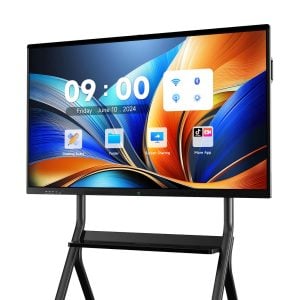
- Instant Alert: Within 1 second, every screen in the network—from the hallway totem to the classroom IFPD—stops playing its regular content.
- Clear Instruction: Screens flash bright red with clear, large text instructions (e.g., “Tornado Warning: Proceed to Basement” or “Lockdown: Stay Inside”). This visual saturation ensures 100% coverage, eliminating confusion and panic during critical moments.
2. Outdoor Kiosks: The “Iron Guards” of Campus
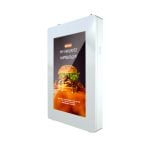
Safety communication cannot stop at the building door. Students waiting at bus stops, walking in quads, or at sports fields are often the most vulnerable because they are disconnected from indoor alerts. This requires hardware that can survive the elements. Marvel Technology’s Tótems de exterior are engineered specifically for this harsh environment:
- IP65 Waterproof: Engineered to withstand heavy rain, snow, and dust.
- High-Brightness (2500+ nits): Ensuring alerts are readable even under direct mid-day sunlight.
- IK10 Vandal Proof: Utilizing explosive-proof tempered glass to resist impact from stray balls or vandalism.
3. Bridging the “Last Mile” of Information
Beyond emergencies, a smart campus uses digital signage to improve the daily student experience, effectively reducing administrative friction.
- Señalización: Quiosco interactivos help freshmen and visitors navigate complex campus maps, finding lecture halls or dorms without needing to ask security staff.
- Transport Updates: Real-time API integrations display live shuttle bus timings or local train schedules, keeping students moving efficiently.
- Mental Health Awareness: Screens are increasingly used to subtly promote student wellness resources, counseling hotline numbers, and community events, fostering a supportive environment.
4. Centralized Control for IT Efficiency
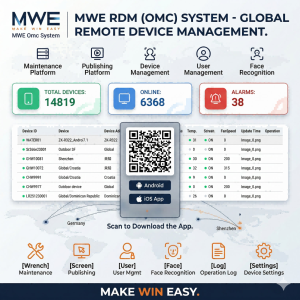
In the past, changing a poster required a maintenance worker to walk to every building. Today, a single IT administrator can manage 500+ screens from a central office. Marvel’s Remote Device Management (RDM) allows IT teams to monitor the “health” of every screen. Is a kiosk overheating? Is a screen offline? The system alerts you before it becomes a problem, ensuring your safety network is always operational.
Conclusión A smart campus is a safe campus. Investing in a robust digital signage network is not just about modernizing your school’s image; it is about building a reliable infrastructure that protects and guides your students when it matters most.
Is your campus safety strategy visual? Reach out to the Marvel Technology Education Team to discuss how our industrial-grade displays can integrate with your emergency protocols.