ES
ES  EN
EN  AR
AR 

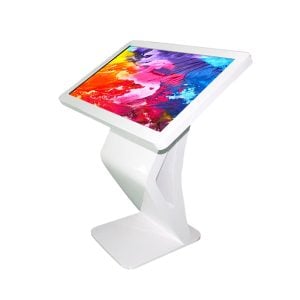
In an increasingly digital world, the demand for instant information and seamless service has never been higher. Public spaces, from bustling city centers to expansive shopping malls and critical transportation hubs, are transforming to meet these expectations. At the forefront of this transformation are interactive digital kiosks – sophisticated, robust machines designed to bridge the gap between the physical and digital realms, offering unparalleled convenience and engagement. These powerful public access terminals are reshaping the way people interact with their environment, enhancing the customer journey and delivering vital information around the clock.
The Multifaceted Role of Interactive Digital Kiosks
Interactive digital kiosks are far more than just glorified computer screens. They represent a dynamic platform for various applications, each aimed at improving the user experience and operational efficiency:
1. Information Hubs: Serving as sophisticated information kiosks, they provide detailed, up-to-date data. Imagine accessing real-time public transport schedules, local event listings, tourist guides, or critical public service announcements at your fingertips. These kiosks become indispensable sources of knowledge, accessible whenever needed.
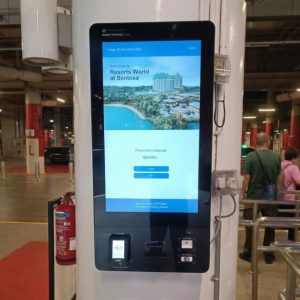
2. Seamless Self-Service: As advanced quioscos de autoservicio, they empower users to complete tasks independently. This could involve checking into a flight, ordering food at a restaurant, purchasing event tickets, or even submitting forms at a government office. By automating routine transactions, kiosks reduce queues, minimize wait times, and free up staff for more complex customer interactions. This directly contributes to a smoother and more satisfying customer journey.
3. Intuitive Wayfinding: For large and often confusing venues like hospitals, university campuses, or mega-malls, wayfinding kiosks are game-changers. Equipped with intuitive touch-screen interfaces and digital directories, they provide animated maps and step-by-step directions to specific destinations. This not only reduces stress for visitors but also improves overall traffic flow within the facility. The ability to quickly find a specific store, department, or office significantly enhances the experiencia del usuario (UX).
Technological Backbone: Touch Screen Technology and Robust Design
The effectiveness of interactive digital kiosks hinges on robust touch screen technology and a durable design. Modern kiosks typically feature:
- High-Definition Touch Screens: Ensuring crisp visuals and highly responsive touch input, often using Projected Capacitive (PCAP) technology for multi-touch capabilities. This makes interaction intuitive and natural.
- Componentes de calidad comercial: Unlike consumer devices, kiosk components are built for continuous, heavy public use, ensuring reliability and longevity.
- Secure and Vandal-Resistant Enclosures: Constructed from durable materials like steel, these enclosures protect internal components from physical damage, weather (for outdoor units), and tampering, crucial for public access terminals.
- Periféricos integrados: Many kiosks include card readers (for payment or identification), barcode scanners, printers, and cameras, extending their functionality for various servicios automatizados.
Driving Smart City Solutions and Beyond
The proliferation of interactive digital kiosks is a key indicator of the advancement towards soluciones para ciudades inteligentes. By offering accessible public information, streamlined services, and real-time updates, they contribute to a more connected, efficient, and user-friendly urban environment. For instance, in a smart city context, kiosks can display energy consumption data, suggest eco-friendly transport options, or provide emergency information during a crisis.
Beyond smart cities, their applications are vast:
- Retail Technology: Enhancing the in-store experience with product lookup, personalized recommendations, and instant purchasing options.
- Healthcare Innovation: Expediting patient check-ins, allowing access to appointment schedules, and facilitating payment processes.
- Transportation Hubs: Providing ticketing, flight/train information, and interactive maps of airports or stations.
- Educación: Offering campus directories, event information, and self-registration for courses.
The Business Case: Enhanced Operational Efficiency and Digital Engagement
Businesses and public entities benefit immensely from deploying interactive digital kiosks. They experience:
- Reduced Operational Costs: By automating tasks that traditionally required staff, labor costs can be optimized.
- Increased Customer Satisfaction: Faster service and immediate access to information lead to happier users.
- Valuable Data Collection: Kiosks can gather data on user interactions, preferences, and peak usage times, providing insights for service improvements and targeted marketing.
- 24/7 Service Availability: Offering services around the clock, improving accessibility and convenience for the public.
En conclusión, interactive digital kiosks are not merely a trend; they are a fundamental component of modern infrastructure, driving digital engagement and operational excellence. As touch screen technology continues to evolve, these robust public access terminals will undoubtedly play an even more central role in shaping the future of our public spaces and the way we interact with the world around us. Their ability to deliver information, facilitate transactions, and guide users effectively makes them an indispensable asset for any organization focused on enhancing the customer journey.
Meta Descripción: Explore how interactive digital kiosks enhance public spaces. Learn about public access terminals, information kiosks, and their role in improving customer journey y wayfinding.
Palabras clave:
- Primary Keyword: interactive digital kiosks
- Secondary Keywords: public access terminals, information kiosks, self-service kiosks, wayfinding kiosks, customer journey enhancement
- LSI Keywords: user experience (UX), touch screen technology, smart city solutions, digital engagement, operational efficiency, retail technology, healthcare innovation, transportation hubs, digital directories, automated services
In an increasingly digital world, the demand for instant information and seamless service has never been higher. Public spaces, from bustling city centers to expansive shopping malls and critical transportation hubs, are transforming to meet these expectations. At the forefront of this transformation are interactive digital kiosks – sophisticated, robust machines designed to bridge the gap between the physical and digital realms, offering unparalleled convenience and engagement. These powerful public access terminals are reshaping the way people interact with their environment, enhancing the customer journey and delivering vital information around the clock.
The Multifaceted Role of Interactive Digital Kiosks
Interactive digital kiosks are far more than just glorified computer screens. They represent a dynamic platform for various applications, each aimed at improving the user experience and operational efficiency:
1. Information Hubs: Serving as sophisticated information kiosks, they provide detailed, up-to-date data. Imagine accessing real-time public transport schedules, local event listings, tourist guides, or critical public service announcements at your fingertips. These kiosks become indispensable sources of knowledge, accessible whenever needed.
2. Seamless Self-Service: As advanced quioscos de autoservicio, they empower users to complete tasks independently. This could involve checking into a flight, ordering food at a restaurant, purchasing event tickets, or even submitting forms at a government office. By automating routine transactions, kiosks reduce queues, minimize wait times, and free up staff for more complex customer interactions. This directly contributes to a smoother and more satisfying customer journey.
3. Intuitive Wayfinding: For large and often confusing venues like hospitals, university campuses, or mega-malls, wayfinding kiosks are game-changers. Equipped with intuitive touch-screen interfaces and digital directories, they provide animated maps and step-by-step directions to specific destinations. This not only reduces stress for visitors but also improves overall traffic flow within the facility. The ability to quickly find a specific store, department, or office significantly enhances the experiencia del usuario (UX).
Technological Backbone: Touch Screen Technology and Robust Design
The effectiveness of interactive digital kiosks hinges on robust touch screen technology and a durable design. Modern kiosks typically feature:
- High-Definition Touch Screens: Ensuring crisp visuals and highly responsive touch input, often using Projected Capacitive (PCAP) technology for multi-touch capabilities. This makes interaction intuitive and natural.
- Componentes de calidad comercial: Unlike consumer devices, kiosk components are built for continuous, heavy public use, ensuring reliability and longevity.
- Secure and Vandal-Resistant Enclosures: Constructed from durable materials like steel, these enclosures protect internal components from physical damage, weather (for outdoor units), and tampering, crucial for public access terminals.
- Periféricos integrados: Many kiosks include card readers (for payment or identification), barcode scanners, printers, and cameras, extending their functionality for various servicios automatizados.
Driving Smart City Solutions and Beyond
The proliferation of interactive digital kiosks is a key indicator of the advancement towards soluciones para ciudades inteligentes. By offering accessible public information, streamlined services, and real-time updates, they contribute to a more connected, efficient, and user-friendly urban environment. For instance, in a smart city context, kiosks can display energy consumption data, suggest eco-friendly transport options, or provide emergency information during a crisis.
Beyond smart cities, their applications are vast:
- Retail Technology: Enhancing the in-store experience with product lookup, personalized recommendations, and instant purchasing options.
- Healthcare Innovation: Expediting patient check-ins, allowing access to appointment schedules, and facilitating payment processes.
- Transportation Hubs: Providing ticketing, flight/train information, and interactive maps of airports or stations.
- Educación: Offering campus directories, event information, and self-registration for courses.
The Business Case: Enhanced Operational Efficiency and Digital Engagement
Businesses and public entities benefit immensely from deploying interactive digital kiosks. They experience:
- Reduced Operational Costs: By automating tasks that traditionally required staff, labor costs can be optimized.
- Increased Customer Satisfaction: Faster service and immediate access to information lead to happier users.
- Valuable Data Collection: Kiosks can gather data on user interactions, preferences, and peak usage times, providing insights for service improvements and targeted marketing.
- 24/7 Service Availability: Offering services around the clock, improving accessibility and convenience for the public.
En conclusión, interactive digital kiosks are not merely a trend; they are a fundamental component of modern infrastructure, driving digital engagement and operational excellence. As touch screen technology continues to evolve, these robust public access terminals will undoubtedly play an even more central role in shaping the future of our public spaces and the way we interact with the world around us. Their ability to deliver information, facilitate transactions, and guide users effectively makes them an indispensable asset for any organization focused on enhancing the customer journey.