ES
ES  EN
EN  AR
AR 

Introduction
In the digital age, educational institutions require more efficient, flexible, and modern ways to disseminate information. Traditional methods such as bulletin boards and printed notices are no longer sufficient to meet the rapidly evolving communication needs. Digital signage has emerged as an essential tool for schools, colleges, and universities, enhancing information delivery, engagement, and operational efficiency. This article explores the necessity of digital signage in education, its key benefits, and its practical applications.The Necessity of Digital Signage in Education
1. Improved Communication Efficiency
Traditional communication methods (e.g., printed posters, PA systems) often suffer from delays and limited reach. Digital signage enables real-time updates through cloud-based management, ensuring students and staff receive critical information instantly, including:- Emergency alerts (weather warnings, lockdowns, safety drills)
- Schedule changes (classroom relocations, exam timetables)
- Campus events (lectures, club meetings, sports fixtures)
2. Enhanced Engagement and Interaction
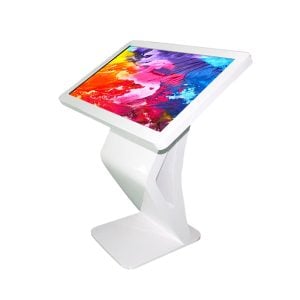
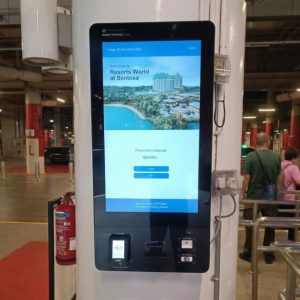
Digital signage goes beyond passive displays by incorporating touchscreens, QR codes, and social media integration, fostering interactive experiences such as:- Wayfinding Kiosk systems (helping students navigate campuses)

- Live polls and feedback (for classroom quizzes or event voting)
- Student showcase platforms (digital galleries for projects and achievements)
3. Cost Savings and Sustainability
- Reduced printing expenses (eliminating the need for posters, flyers, and handouts)
- Dynamic content management (one screen can display multiple messages without manual updates)
- Eco-friendly solution (LED/LCD screens consume less energy than traditional methods)
4. Streamlined Campus Management and Safety
- Automated scheduling (displaying class schedules during school hours and event promotions after hours)
- Emergency broadcast integration (linking with security systems for instant alerts)
- Data dashboards (showing attendance, energy usage, or other institutional metrics)
Key Applications of Digital Signage in Education
1. Classrooms and Lecture Halls
- Digital timetables (showing real-time class schedules and room changes)
- Interactive learning tools (displaying quiz results or discussion prompts)
- Academic resources (highlighting library updates or research opportunities)

2. Administrative Areas
- Policy announcements (tuition deadlines, scholarship applications)
- Staff communications (meeting reminders, training schedules)
3. Cafeterias and Common Areas
- Daily menus (including dietary restrictions and nutritional info)
- Event promotions (club fairs, sports games, guest lectures)
- Weather updates (helping students plan their commutes)
4. Dormitories and Student Lounges
- Residential notices (maintenance requests, utility payment reminders)
- Wellness tips (mental health resources, stress-relief advice)
5. Entryways and Visitor Centers
- Welcome messages (campus maps, visitor guidelines)
- Achievement displays (honoring top students and faculty accomplishments)