AR
AR  EN
EN  ES
ES 
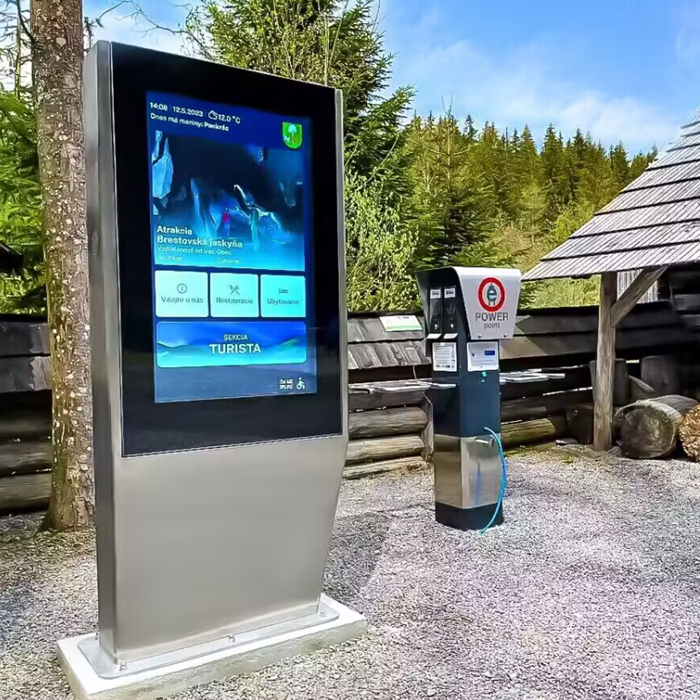
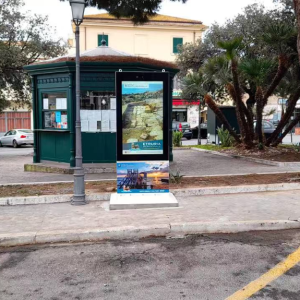
Deploying digital signage outdoors is not for the faint of heart. Whether it is a QSR drive-thru in the humid salt air of Southeast Asia, a wayfinding kiosk in a Nordic blizzard, or a digital billboard in a Middle Eastern dust storm, the environment is constantly trying to destroy your hardware.
Operators often face a difficult choice. On one end of the spectrum are low-cost assemblers using standard sheet metal and non-industrial modules that rust and fail within months. On the other end are international mega-brands that offer reliable but highly expensive and rigid solutions, leaving no room for climate-specific customization.
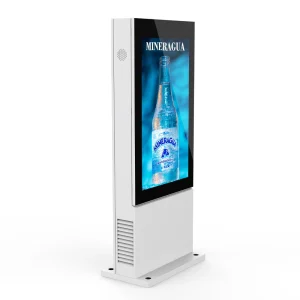
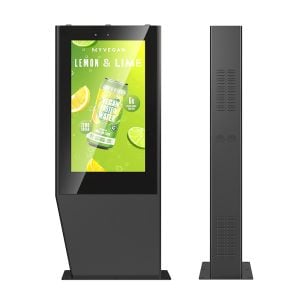
To solve this reliability crisis, outdoor hardware must combine industrial-grade resilience with engineering flexibility. Here is how modern outdoor kiosks are engineered to survive extreme climates while keeping maintenance costs low.
Intelligent Thermal Management for Extreme Temperatures

LCD panels are highly sensitive to extreme heat. Prolonged exposure to direct sunlight without proper cooling causes the liquid crystals to boil, leading to isotropic failure—the dreaded “black spots” on the screen. Conversely, extreme cold can freeze the liquid crystals, preventing the display from booting up.
To ensure uninterrupted operation, kiosks require a responsive, sensor-driven climate control system:
- Smart Sensors: Internal thermal sensors continuously monitor the environment, automatically triggering cooling fans or heating elements exactly when needed.
- Winter Readiness: For regions facing sub-zero temperatures, specifying an outdoor high brightness display with built-in heater for winter ensures the liquid crystals do not freeze, allowing the system to boot up and run flawlessly even during blizzards.
- Failsafe Shutoff: For absolute panel protection in the summer, the system features a hardcoded failsafe. If internal temperatures reach a critical threshold of 65°C (149°F), the screen automatically powers down to prevent permanent hardware damage, recovering rapidly once temperatures stabilize.
Defeating Rust and Dust: Built for the Elements
A coastal deployment will destroy standard commercial paint in less than two years, leading to peeling, rust, and a compromised brand image. Enclosure materials must match the deployment environment.
- Coastal Resilience: For standard environments, the chassis is constructed from rugged galvanized steel finished with a premium AkzoNobel powder coating. However, investing in corrosion resistant لافتات رقمية خارجية for coastal areas is non-negotiable. For high-salt regions, the enclosure is upgraded to 304 Stainless Steel, providing ultimate resistance to salt fog corrosion.
- Desert & Sand Protection: Moisture and dust ingress are equally fatal to electronics. For regions plagued by heavy sand or dust storms, operators require an IP65 dust proof drive-thru menu board for desert climate. While highly efficient air-cooled systems carry an IP55 rating that easily deflects heavy rainstorms, demanding an airtight IP65 rating means the kiosk is engineered with a closed-loop HVAC (air conditioning) system to keep all abrasive dust out.
Vandal-Proof Visibility: The IK10 Glass Shield
Outdoor screens face physical threats from both the environment and the public. Protecting the high-brightness LCD requires specialized optical glass that does not compromise visibility.
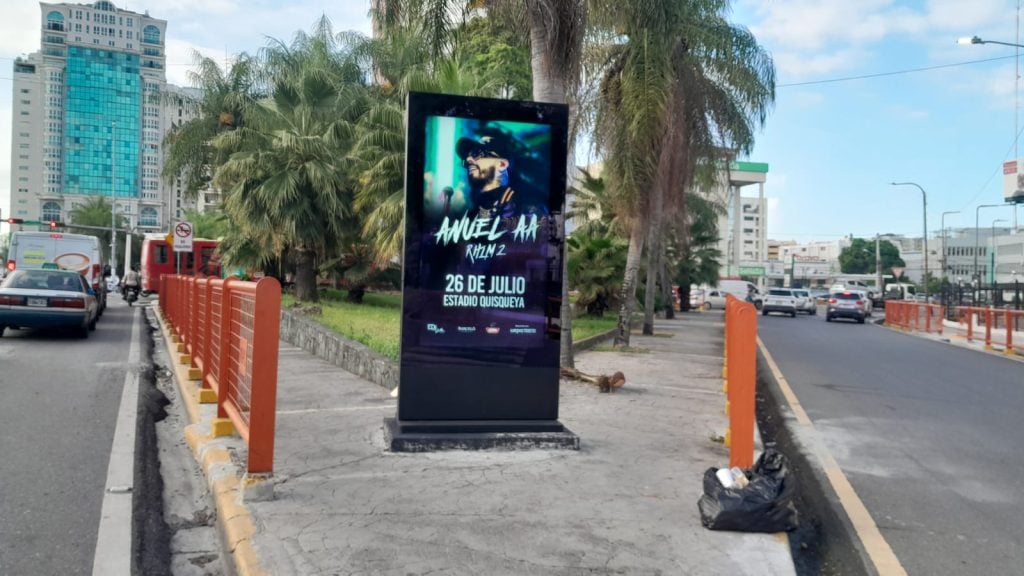
- Impact Resistance: When deploying in high-traffic public spaces, upgrading to an IK10 vandal proof outdoor touch screen kiosk protects the display from common impacts like thrown rocks or accidental bumps. The standard shield is a 3mm to 4mm thick tempered glass panel, specifically marketed to achieve this IK10 vandal-resistance rating.
- Enhanced Security Options: For high-risk environments, the glass can be upgraded to 5mm tempered glass or laminated safety glass (such as 3+3mm or 4+4mm configurations). Even if an extreme impact manages to crack the surface, laminated glass holds the shards in place, preventing safety hazards and keeping the internal components sealed.
Modular Maintenance: Minimizing Downtime
Even the toughest hardware occasionally requires servicing. When a QSR drive-thru lane goes down, every minute costs money.
Designing for extreme weather also means designing for extreme speed of repair. Kiosks must be built with modularity at the forefront. Features like front-access doors and modular component layouts mean that an on-site technician does not need to dismantle the entire unit to fix a single part. In the event of a major failure, a technician can complete a full screen replacement in approximately 30 minutes, drastically reducing costly downtime and keeping the drive-thru moving.
A reliable outdoor kiosk is not a generic box; it is an engineered ecosystem tailored to its environment. If you are a system integrator or franchise owner looking to source reliable hardware, partnering with a manufacturer like MWE DISPLAY that provides a wholesale ruggedized outdoor kiosk for 24/7 harsh environments will secure your infrastructure investment against the elements.