AR
AR  EN
EN  ES
ES 

In today’s digital age, higher education institutions face the challenge of effectively communicating and enhancing the campus experience. Interactive signage outdoor units offer an innovative solution for universities and colleges, allowing for improved information dissemination and increased engagement among students, visitors, and the community. This article explores the features, benefits, and considerations for implementing these units.

الميزات الرئيسية
1. Touchscreen Interfaces
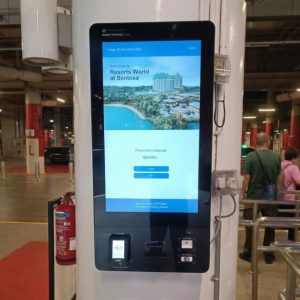
One of the most notable features of interactive signage outdoor units is their touchscreen interface. This design allows users to easily navigate and access information. Students and visitors can touch the screen to view campus maps, locate buildings and facilities, and even check class schedules and exam information. The intuitive design of touchscreens simplifies information retrieval, improving the overall user experience.
2. التحديثات في الوقت الفعلي
Interactive signage outdoor units can integrate with the institution’s content management system (CMS) to provide real-time updates. This means that event schedules, announcements, and news can be rapidly disseminated across the campus. By ensuring that students and visitors receive the latest information, institutions can keep everyone informed about important events and announcements. Additionally, integrating social media can enhance information dissemination, encouraging more participation in campus life.

3. Multimedia Content
These outdoor units are not limited to text-based information; they also support multimedia content displays. Schools can use video presentations to promote campus events, recruitment information, or other important content. This rich visual approach captivates viewers, increasing engagement and enhancing the institution’s image and appeal.
4. Accessibility Options
Interactive signage outdoor units must consider the needs of all users, including those with disabilities. Features such as voice commands and screen reader compatibility can accommodate individuals with visual impairments. Moreover, providing multilingual support allows visitors from diverse backgrounds to access information easily, fostering inclusivity and diversity on campus.
5. Durable Design
Given that these devices will be placed outdoors, durability is a crucial aspect of their design. Interactive signage outdoor units are typically made from weather-resistant materials to ensure functionality in various weather conditions. Anti-glare screens also enhance visibility in direct sunlight, ensuring that users can clearly see the content at any time.
6. Energy Efficiency
With the growing emphasis on sustainability, many interactive signage outdoor units are designed to be solar-powered, reducing reliance on traditional electricity sources. This eco-friendly design not only lowers energy costs but also reflects the institution’s commitment to sustainable practices. Additionally, the use of LED displays significantly reduces energy consumption, making them a more environmentally friendly option.
فوائد
1. Enhanced Communication
Interactive signage outdoor units provide an effective communication platform for schools, enabling timely information dissemination to students, faculty, and visitors. This immediate information sharing fosters a sense of community and keeps everyone engaged with campus activities and services.
2. Improved Navigation
For new students and visitors, navigating a campus can be daunting. Interactive signage outdoor units offer clear navigation information, helping them quickly locate buildings and facilities. This not only enhances visitor satisfaction but also improves the onboarding experience for new students.
3. Engagement Opportunities
Beyond information delivery, interactive signage outdoor units can encourage user interaction through surveys and feedback forms. This engagement not only collects valuable insights but also makes users feel valued, strengthening their connection to the campus community.
Implementation Considerations
1. Location Selection
When implementing interactive signage outdoor units, strategic location selection is crucial. These devices should be placed in high-traffic areas of the campus, such as entrances, near libraries, or main walkways, to maximize visibility and usage.
2. Content Management
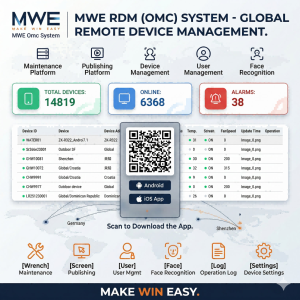
To ensure timely updates and effective communication, schools need a robust content management system. This system should feature a user-friendly interface, allowing staff to quickly add, modify, and remove information, keeping the content fresh and relevant.
3. Technical Support
Maintenance and technical support for interactive signage outdoor units are essential considerations during implementation. Regular maintenance and software updates will ensure that the devices function properly, preventing disruptions in information delivery.
خاتمة
Interactive signage outdoor units provide universities and colleges with an innovative way to enhance communication and engagement on campus. These devices not only improve the efficiency of information dissemination but also offer a better experience for students and visitors. As technology continues to advance, interactive signage outdoor units will play an increasingly important role in higher education, serving as vital connections between the campus and the community. With thoughtful implementation and management, institutions can harness the full potential of this technology, enriching the overall campus atmosphere and image.