AR
AR  EN
EN  ES
ES 

Digital signage has emerged as a transformative tool within the museum sector, fundamentally reshaping how institutions engage with their visitors. By integrating advanced technologies, museums can enhance visitor experiences, provide real-time information, and create dynamic, interactive exhibits. This article delves into the multifaceted roles of digital signage in museums, examining its benefits, challenges, and its potential to redefine cultural spaces.
Enhancing Visitor Experience
Interactive Displays
At the core of digital signage’s role in museums is its ability to enhance the visitor experience through interactive displays. Unlike traditional static signage, digital displays can present a wealth of information in a dynamic format. Touch screens allow visitors to delve deeper into exhibits, offering additional context, multimedia elements, and interactive content. For example, an exhibit on ancient civilizations might include a touch screen that allows visitors to explore a 3D model of a historic site, complete with audio narrations and visual storytelling.

Immersive Learning
Digital signage creates opportunities for immersive learning experiences. Visitors could, for instance, use their smartphones to see historical events unfold in real-time as they stand before a painting or artifact. This blend of technology and education not only captivates visitors but also fosters a deeper connection to the subject matter.
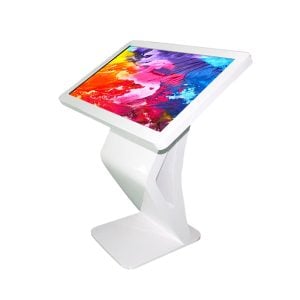
Wayfinding and Navigation Kiosk
Efficient Navigation
Navigating large museum spaces can be daunting, especially for first-time visitors. Digital signage plays a crucial role in wayfinding, providing real-time directions and information. Interactive kiosks placed at strategic points can guide guests to various exhibits, restrooms, and amenities. By utilizing maps and clear visual cues, museums can streamline visitor flow, reducing congestion and enhancing overall enjoyment.
Personalized Experiences
Incorporating data analytics into digital signage can further improve visitor navigation. Museums can track visitor patterns and preferences, allowing them to tailor experiences. For example, if data shows that many visitors are interested in contemporary art, museums can highlight relevant exhibits on digital displays, ensuring that guests feel catered to and engaged.
Real-Time Information
Instant Updates
The ability to provide real-time information is one of the standout benefits of digital signage. Museums can instantly update visitors about exhibit changes, special events, or guided tours. For instance, if an art piece is temporarily removed for restoration, a digital display can communicate this message clearly and quickly, preventing visitor disappointment.
Engaging Content
Digital signage also allows museums to present engaging content that can be updated frequently. This flexibility is particularly beneficial for temporary exhibitions or seasonal events. High-quality visuals and animations can captivate visitors, encouraging them to explore further and spend more time at the museum.
Educational Opportunities
Informative Displays
Digital signage serves as a powerful educational tool. By displaying informative content about exhibits, such as historical context, artist biographies, and artifact details, museums can enrich visitors’ understanding. For instance, a digital screen next to a sculpture could provide insights into the artist’s techniques and inspirations, fostering a deeper appreciation for the artwork.
Interactive Learning
Beyond passive information delivery, museums can design interactive educational experiences through digital signage. Quizzes, games, and interactive timelines can engage younger audiences, making learning enjoyable. For example, a digital scavenger hunt could encourage families to explore different parts of the museum while learning fun facts about the exhibits.
Promoting Special Events and Programs
Attracting Participation

Museums often host a variety of special events, workshops, and lectures. Digital signage provides an effective platform for promoting these activities. Vibrant graphics and engaging content can attract visitors’ attention and encourage participation. For example, a digital display could showcase an upcoming lecture on art history, complete with intriguing visuals and speaker highlights, effectively converting passersby into attendees.
المشاركة المجتمعية
By promoting events through digital signage, museums can foster a sense of community. Highlighting local artists, cultural celebrations, or educational workshops not only attracts visitors but also strengthens ties with the community. This engagement is vital for museums aiming to establish themselves as cultural hubs.
Branding and Marketing

Strengthening Identity
Digital signage contributes significantly to a museum’s branding and marketing efforts. Eye-catching displays can effectively communicate the museum’s identity, values, and mission. By showcasing current exhibitions and unique features, museums can create a lasting impression on visitors, enhancing their overall visibility.
التكامل مع وسائل التواصل الاجتماعي
In an increasingly digital age, integrating social media into digital signage can amplify a museum’s outreach. Live feeds of social media posts, visitor photos, or hashtags related to exhibitions can create a sense of community and encourage visitors to engage online. This not only promotes the museum but also enhances the visitor experience by making them feel part of a larger conversation.
التحديات والاعتبارات
Initial Investment and Maintenance
While the benefits of digital signage are clear, there are challenges to consider. The initial investment in technology can be substantial, encompassing hardware, software, and content creation. Furthermore, ongoing maintenance is crucial to ensure that displays remain functional and content stays relevant. Museums must allocate resources for regular updates and technical support, which can strain budgets.
Balancing Tradition and Innovation
Another critical challenge is balancing digital content with the traditional, tactile experiences many visitors seek. Museums must ensure that digital signage complements rather than overshadows the physical exhibits. This balance is vital in maintaining the authenticity of the museum experience, as many guests value the opportunity to engage with artifacts directly.
Accessibility Considerations
Accessibility is also a paramount concern. Museums must ensure that digital signage is inclusive and caters to visitors with disabilities. Features such as audio descriptions, subtitles, and easy-to-read fonts can enhance accessibility. By prioritizing inclusivity, museums can ensure that all visitors have an enriching experience.
خاتمة
Digital signage plays an essential role in redefining the museum experience. By enhancing visitor engagement, providing real-time information, and promoting educational opportunities, museums can create dynamic and interactive environments that resonate with diverse audiences. As technology continues to evolve, museums that effectively integrate digital signage will not only attract more visitors but also foster a deeper appreciation for the art and culture they present. Embracing these innovations while addressing potential challenges will be crucial for museums aiming to thrive in the digital age. The future of museums lies in their ability to blend tradition with technological advancements, ensuring that they remain relevant and engaging for generations to come.