AR
AR  EN
EN  ES
ES 

In today’s dynamic and digital-driven environment, businesses are continually searching for innovative ways to engage with their customers and enhance their branding efforts. One of the most effective solutions that has emerged in recent years is cloud-based digital signage. This technology empowers organizations to manage their displays remotely and streamline their content management processes, offering numerous benefits that can transform how companies communicate. In this article, we will explore the key advantages of cloud-based floor standee digital signage in detail.

1. Remote Signage Control
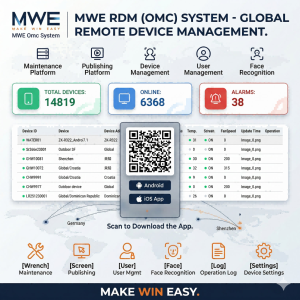
One of the most compelling features of cloud-based digital signage is the ability to control displays remotely. Traditionally, managing signage required physical access to each display, often resulting in delays and inefficiencies. With cloud-based solutions, businesses can update content from anywhere in the world using an internet connection. This flexibility is particularly valuable for organizations with multiple locations, such as retail chains, restaurants, or corporate offices. For instance, a retail manager can change promotional content in real-time during a sale, ensuring that customers receive the most up-to-date information. Similarly, event organizers can modify schedules or announcements instantly, enhancing the attendee experience. By eliminating the need for on-site visits to update displays, remote control capabilities save time and resources, allowing employees to focus on more strategic tasks.2. Cost-Effective Content Management System (CMS)
Cloud-based floor standee digital signage solutions typically come equipped with an integrated Content Management System (CMS) that simplifies content creation and scheduling. These systems provide an easy-to-use interface that allows users to design, upload, and schedule content with minimal technical expertise. This accessibility democratizes the content management process, enabling staff from various departments to contribute to signage without needing extensive training. Moreover, because the software is hosted in the cloud, businesses avoid the high costs associated with traditional hardware installations and ongoing maintenance. This cost-effectiveness extends to updates and scalability; organizations can often add features or expand their systems without incurring significant expenses. This makes cloud-based digital signage an attractive option for businesses of all sizes.
3. Scalability
As businesses grow, so do their advertising and communication needs. Cloud-based digital signage systems are inherently scalable, allowing organizations to expand their operations without the burden of complex installations. Whether a company operates a single display or hundreds across multiple locations, adding new screens is a straightforward process. For example, a successful pop-up shop may want to roll out digital signage to multiple locations. With a cloud-based system, the business can easily implement new displays, ensuring consistent messaging across all venues. This scalability is crucial in an ever-changing market, as it allows companies to adapt quickly to new trends, customer preferences, and technological advancements.4. Real-Time Analytics
Another significant advantage of cloud-based digital signage is the ability to gather valuable real-time analytics. Businesses can track viewer engagement, assess the effectiveness of campaigns, and make necessary adjustments based on performance metrics. This data-driven approach enables companies to optimize their marketing strategies and ensure they maximize their return on investment. For instance, analytics can reveal which messages resonate most with audiences, allowing businesses to refine their content accordingly. By understanding viewer behavior and preferences, organizations can create targeted campaigns that drive engagement and conversions. This level of insight was often difficult to achieve with traditional signage methods, making cloud-based solutions a game-changer.5. Enhanced Collaboration
Cloud-based systems foster collaboration among teams, regardless of their physical locations. Multiple users can access the CMS simultaneously, allowing for seamless teamwork in creating and managing content. This feature is particularly beneficial for organizations with remote employees or multiple locations, as it ensures consistent messaging and branding across all platforms. For example, marketing teams can collaborate with graphic designers in real-time to create visually appealing displays that align with current campaigns. By breaking down silos and encouraging collaboration, businesses can enhance their creativity and improve the quality of their content.6. Increased Engagement through Dynamic Content
One of the most significant advantages of digital signage over traditional static displays is the ability to showcase dynamic content. Cloud-based digital signage allows organizations to create visually captivating content that can include animations, videos, and interactive elements. This dynamic approach not only captures attention but also enhances viewer engagement. For instance, a restaurant can use digital signage to display mouth-watering videos of their dishes, enticing customers to place orders. Retail stores can leverage interactive displays that allow customers to browse products or access promotions directly from the screen. By utilizing dynamic content, businesses can create more immersive experiences that resonate with their target audience.
7. Environmental Benefits
As sustainability becomes increasingly important, cloud-based digital signage offers an environmentally friendly alternative to traditional printed signage. Digital displays reduce the need for paper and other materials, minimizing waste. Additionally, cloud-based solutions often enable energy-efficient technologies, such as automatic brightness adjustments based on ambient light. By adopting digital signage, businesses can promote their commitment to sustainability while also enjoying the cost savings associated with reduced material usage. This alignment with environmentally conscious practices can enhance a company’s reputation and appeal to eco-minded consumers.8. Improved Customer Experience
Ultimately, the goal of any business is to enhance the customer experience. Cloud-based digital signage plays a crucial role in achieving this objective. By providing timely and relevant information, businesses can enhance customer satisfaction and loyalty. For example, airports can use digital signage to display real-time flight information, helping travelers navigate their journeys with ease. Retail stores can showcase promotions and product information, guiding customers to make informed purchasing decisions. By ensuring that customers receive the right information at the right time, businesses can create a more positive and engaging experience.خاتمة
Cloud-based digital signage represents a significant advancement in how businesses communicate with their audiences. With features like remote control, cost-effective CMS solutions, scalability, real-time analytics, enhanced collaboration, dynamic content capabilities, environmental benefits, and improved customer experiences, organizations can leverage this technology to enhance engagement and streamline operations. As the digital landscape continues to evolve, embracing cloud-based digital signage will be crucial for businesses looking to stay competitive and connected with their customers. By adopting this innovative approach, companies can not only improve their communication strategies but also position themselves for future growth and success in an increasingly digital world.