AR
AR  EN
EN  ES
ES 
لافتات رقمية خارجية operates through a combination of hardware, software, content creation, and strategic placement to deliver dynamic and engaging messages to audiences in outdoor environments. Here’s an overview of how outdoor digital signage works:
1. Hardware Components:
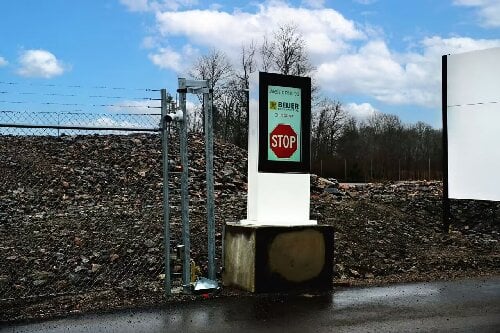
Display Screens: Outdoor digital signage typically utilizes high-brightness, weatherproof display screens such as LED or LCD panels designed to withstand varying weather conditions and provide optimal visibility in outdoor settings.
Media Players: These devices are responsible for playing back content on the display screens. They can be embedded within the display itself or connected externally.
Protective Enclosures: To safeguard equipment from elements like rain, dust, and extreme temperatures, outdoor digital signage setups often include protective enclosures or weatherproof casings.
2. Software and Content Management:
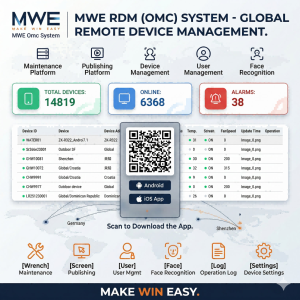
Content Management System (CMS): A CMS is used to create, schedule, and manage content for outdoor digital signage displays. It allows users to upload, organize, and update multimedia content remotely.
Content Creation Tools: Software tools help design and customize content for outdoor displays, ensuring that messages are visually appealing, informative, and optimized for outdoor viewing.
3. Connectivity and Control:
Network Connection: Outdoor digital signage systems are typically connected to the internet or a local network for content updates, remote monitoring, and real-time communication.
Remote Control: Through a network connection, operators can remotely monitor and manage content, schedule playlists, adjust settings, and troubleshoot issues without the need for physical intervention.
4. Content Display and Interaction:
Dynamic Content Playback: Scheduled content, including images, videos, animations, text, and live data feeds, is displayed on outdoor screens to capture audience attention and convey messages effectively.
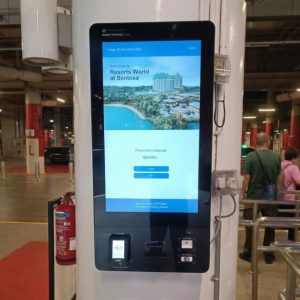
Interactive Features: Some outdoor digital signage setups incorporate interactive elements such as touchscreens, QR codes, or sensors to enable audience engagement and interaction with the displayed content.
5. Strategic Placement and Audience Engagement:
Location Considerations: Outdoor digital signage is strategically placed in high-traffic areas, public spaces, transportation hubs, retail environments, and other outdoor settings to maximize visibility and engagement with the target audience.
Audience Engagement: By delivering relevant, timely, and appealing content, outdoor digital signage aims to attract attention, deliver messages effectively, and engage viewers to achieve specific communication or marketing objectives.
6. Maintenance and Monitoring:
Regular Maintenance: Ensuring the proper functioning of hardware components, software updates, and content refreshes are essential for the continuous operation of outdoor digital signage systems.
Monitoring and Analytics: Operators use monitoring tools and analytics to track performance metrics, audience engagement, and the effectiveness of content to make data-driven decisions and optimize the impact of outdoor digital signage campaigns.
In essence, outdoor digital signage systems combine hardware, software, content creation, connectivity, strategic placement, and audience engagement to deliver dynamic and impactful messages in outdoor environments. By leveraging these elements effectively, organizations can enhance brand visibility, communicate messages effectively, and engage audiences in outdoor settings.
ذات صلة:
ما هي بعض الأمثلة الناجحة لتنفيذ إشارات التوجيه الرقمية الخارجية؟