EN
EN  ES
ES 
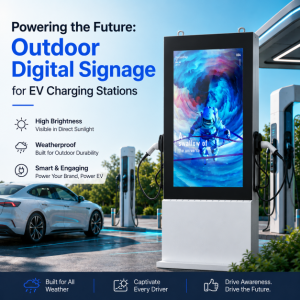
In the realm of modern advertising and communication, outdoor digital signage stands out as a dynamic and impactful medium. Whether used for advertising, wayfinding, or providing information, outdoor digital displays have the potential to captivate and engage audiences in unique ways. However, realizing the full potential of outdoor digital signage requires more than just installing screens in outdoor spaces—it demands strategic planning and execution to ensure success.
The Power of Outdoor Digital Signage
Outdoor digital signage holds a special place in the marketing landscape due to its ability to reach a wide audience in high-traffic areas. From bustling city streets to serene parks, these displays have the potential to grab attention, convey messages effectively, and leave a lasting impression on viewers. With the right content and strategy, outdoor digital signage can elevate brand visibility, drive engagement, and enhance the overall customer experience.
Challenges and Considerations
While outdoor digital signage offers numerous benefits, it also comes with its own set of challenges. Factors such as varying lighting conditions, weather exposure, and audience engagement levels can impact the effectiveness of outdoor displays. Additionally, ensuring visibility, readability, and content relevance in outdoor environments requires careful planning and consideration.
Strategies for Success
To maximize the impact of outdoor digital signage, businesses and organizations can implement the following strategies:
Content Tailored for Outdoor Viewing: Create visually compelling content that is easy to read in outdoor settings. Use high-contrast colors, bold fonts, and concise messaging to grab attention and convey information effectively.
Weatherproofing Solutions: Invest in weather-resistant displays and protective enclosures to safeguard equipment from the elements. Regular maintenance and monitoring can help ensure the longevity and performance of outdoor digital signage systems.
Strategic Placement: Identify high-traffic areas and strategic locations for placing outdoor digital displays. Consider factors such as line of sight, foot traffic patterns, and optimal viewing angles to maximize visibility and engagement.
Interactive Features: Incorporate interactive elements such as touchscreens, QR codes, or mobile integration to encourage audience interaction and participation. This can enhance engagement levels and provide a more personalized experience for viewers.
Data-Driven Approach: Utilize analytics and data tracking tools to measure the performance of outdoor digital signage campaigns. Analyzing metrics such as audience engagement, dwell time, and conversion rates can help optimize content and strategies for better results.
Conclusion
In conclusion, outdoor digital signage presents a powerful opportunity for businesses to connect with audiences in outdoor environments. By adopting strategic approaches, leveraging engaging content, and addressing challenges proactively, organizations can maximize the impact and effectiveness of their outdoor digital signage initiatives. With the right strategies in place, outdoor digital signage can not only attract attention but also drive meaningful engagement and deliver impactful messages to a diverse audience.